|
|
|
| |
| |
👋 Good morning. If you're reading this, congratulations, you made it to the final issue of Stacking Season. I hope it's done something for you. Have you started saving? Has anything shifted? Hit reply and tell me honestly. And if nothing's changed yet, I'd love to know that too - what would it actually take? |
This week: we spoke to a creator about her first brand deal, learning financial boundaries, and a savings hack worth bookmarking. Let’s get right into it. |
If you’re enjoying this, don’t forget to subscribe and join The Juice community. We’re building this together ♡. |
 |
Shalom Tewobola,
Editor.
|
|
|
|
|
| |
|
|
|
| |
| |
Share with us |
What’s that one money experience you have, good or bad, we don’t judge. Reply to this email or reach us here. We're featuring the most relatable ones next week! |
|
|
|
| |
|
|
|
| |
| |
THE STACK |
|
|
What Chimnwendum’s first brand deal taught her about money |
The first major payment often reveals what matters most to a person. While some people celebrate with luxury purchases, Chimnwendum used hers to keep her business running. For her, it meant sustainability and proof that the business she had been pouring into could finally begin to support itself. |
In this edition of the series, she talks about turning LinkedIn visibility into a paying opportunity, the moment her vision started to feel tangible, and why financial discipline has remained central to how she moves. |
Take me back to your first brand deal. How did it come in, and at what point did it feel real to you? |
They saw our posts on LinkedIn and connected with us from there. It started feeling real the moment we had to get on a call with their team to discuss how we could meet our shared goals. That was the point where it stopped feeling hypothetical and became an actual business conversation. |
What was the very first thing you spent that money on, and why that specifically? |
Paying staff salaries. Up until that point, I had been bankrolling the business myself, so the money helped offset some of the bills we already had. |
Was that purchase something you had always imagined making when you “made it", or was it a spontaneous, in-the-moment decision? |
It was a financially wise decision as a business owner. There really wasn’t another option that made more sense at the time. |
Looking back, was that amount fair for what you made, and would you negotiate differently now? |
Yes, considering our level and years of experience, it was fair. If anything, it solidified the idea that our vision was actually bankable. |
Do you think you spent that money wisely, or did you just need to feel something in that moment? |
I spent it wisely. Honestly, I don’t think I would have spent it on anything else besides salaries. |
What’s the most valuable saving hack that has helped you? |
I actually have two: what I can’t afford twice, I don’t look at. Once any idle money comes into my account, I save 75% of it. Always 75%, never less, but it can be more. |
|
|
|
| |
|
|
|
| |
| |
|
|
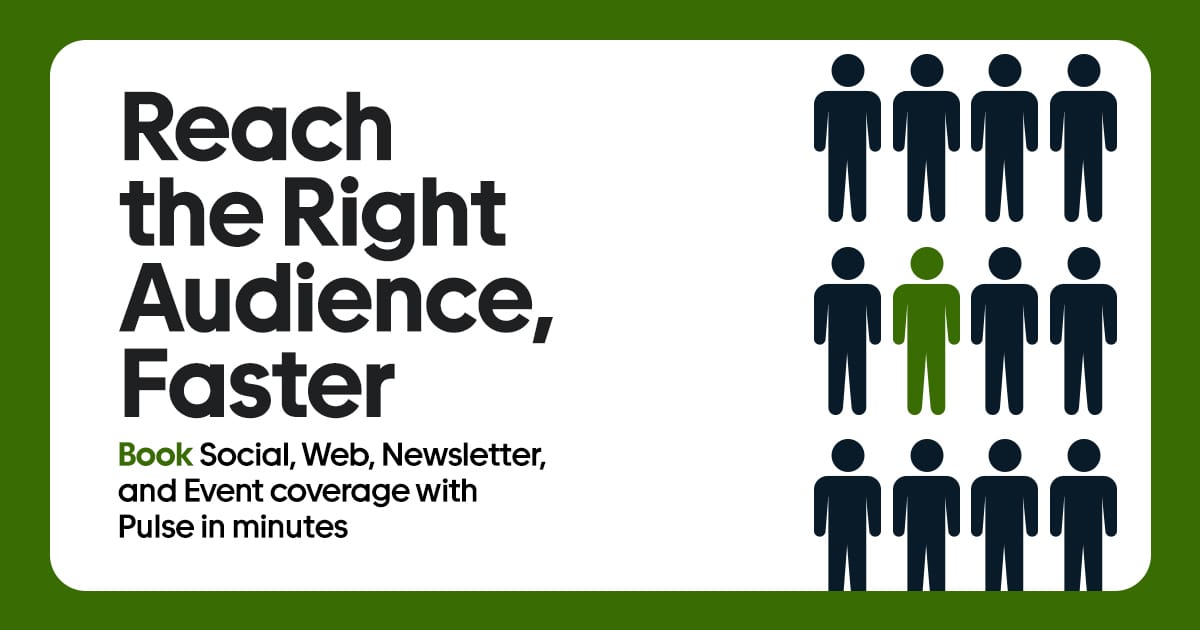
Many are already using Pulse’s editorials and socials to grow their businesses and tell their stories to more than 5 million people. Just saying. Oh, and did I mention it only takes you one click? |
|
|
|
| |
|
|
|
| |
| |
BAG CHECK |
Tomisin Famakinwa learnt financial boundaries the hard way |
Money mistakes never come to us as obvious turning points. More often, they are like the serpent in the garden of Eden, dressed as opportunity, urgency, or even trust, until the consequences make the lesson unavoidable. For Tomisin Famakinwa, a 25-year-old brand designer, those lessons came through a mix of early hustle and decisions that felt right in the moment but did not hold up over time. |
In this conversation, he reflects on two financial missteps that shaped how he now thinks about spending, risk, and trust, and what he would tell his younger self if he could go back. |
What business or financial decision did you make that you now consider a mistake? |
The first one was when I was just starting out. A guy reached out to me with what seemed like a really good deal. He said he could get me a large amount of data for a small amount of money. At that time, I was struggling as a graphic designer, so it looked like a blessing. |
I borrowed money to do it, and before I knew it, the guy blocked me. That 3k I paid was supposed to be for either 10GB or some unlimited data subscription. |
The second one was a friend of mine doing Forex. He was very good at it, or at least it seemed so at the time. He first borrowed 600k from me, and I gave it to him. He actually paid it back within a week. Then he came again and asked for 500k. |
At that point, I had already spent about 100k from the earlier money. And even though I had a feeling I probably would not get it back, I still gave it to him. I knew I was taking a risk I should not take but I did it anyway. |
When did you know? Was there a specific moment it clicked, or did it creep up on you? |
The first one was when he blocked me. The second was when I could clearly see he was in trouble. And honestly, I have learned that sometimes you put relationships over money. There was not much I could do. That was when it fully hit me that the money was not coming back. |
Before realising it was a mistake, did you have any doubts or feelings that it was not the right thing to do? |
There is always that feeling in your mind telling you something is off. For the first situation, I knew it was wrong from the beginning. Even the whole idea did not fully make sense, like why would someone give me that much data for so cheap? |
That was 2019. At the time, my mom was the one helping me buy data so I could work. I do not think she fully understood what I was doing. She just knew I was trying to be productive. |
So part of me just wanted to ease that burden, to stop going back to her asking for small money for data. But I knew it was wrong the moment it all collapsed, and I got blocked. |
With my friend, the signs were there too, especially later when he got arrested and had to start selling his things because of losses from Forex. He had also borrowed from other people. At that point, I just knew the money was gone. |
What did you learn from that mistake? |
Never part with something you cannot accept losing. And do not make ridiculous decisions based on promises of exponential returns, like when someone tells you you will make 10x your money, but there is no real proof or verified track record behind it. |
If you could go back and give your younger self one piece of financial advice, what would it be? |
Honestly, I was spending money on things I did not really need, even things like data, when I could have been more careful about it. I am still a heavy spender now; I spend on things I probably should not sometimes. |
But I think I would have learned to save earlier, understood investing earlier, and learned to cut my coat less than my size not according to my size much sooner. |
|
|
|
| |
|
|
|
| |
| |
#7 Saving hack |
Every time you spend money, round it up and save the difference. For example, if you spend ₦2,350, treat it like ₦2,500. Save the extra ₦150 automatically. Do this consistently, and it quietly builds up without feeling like you’re "saving". Even better: if you use cashless apps or banking apps that support it, automate the rounding so you don’t have to think about it at all. |
|
|
|
| |
|
|
|
|
|
Today’s email was brought to you by Praise Okeoghene Vandeh and Shalom Tewobola. Designs by: Daniel Banjoko |
|